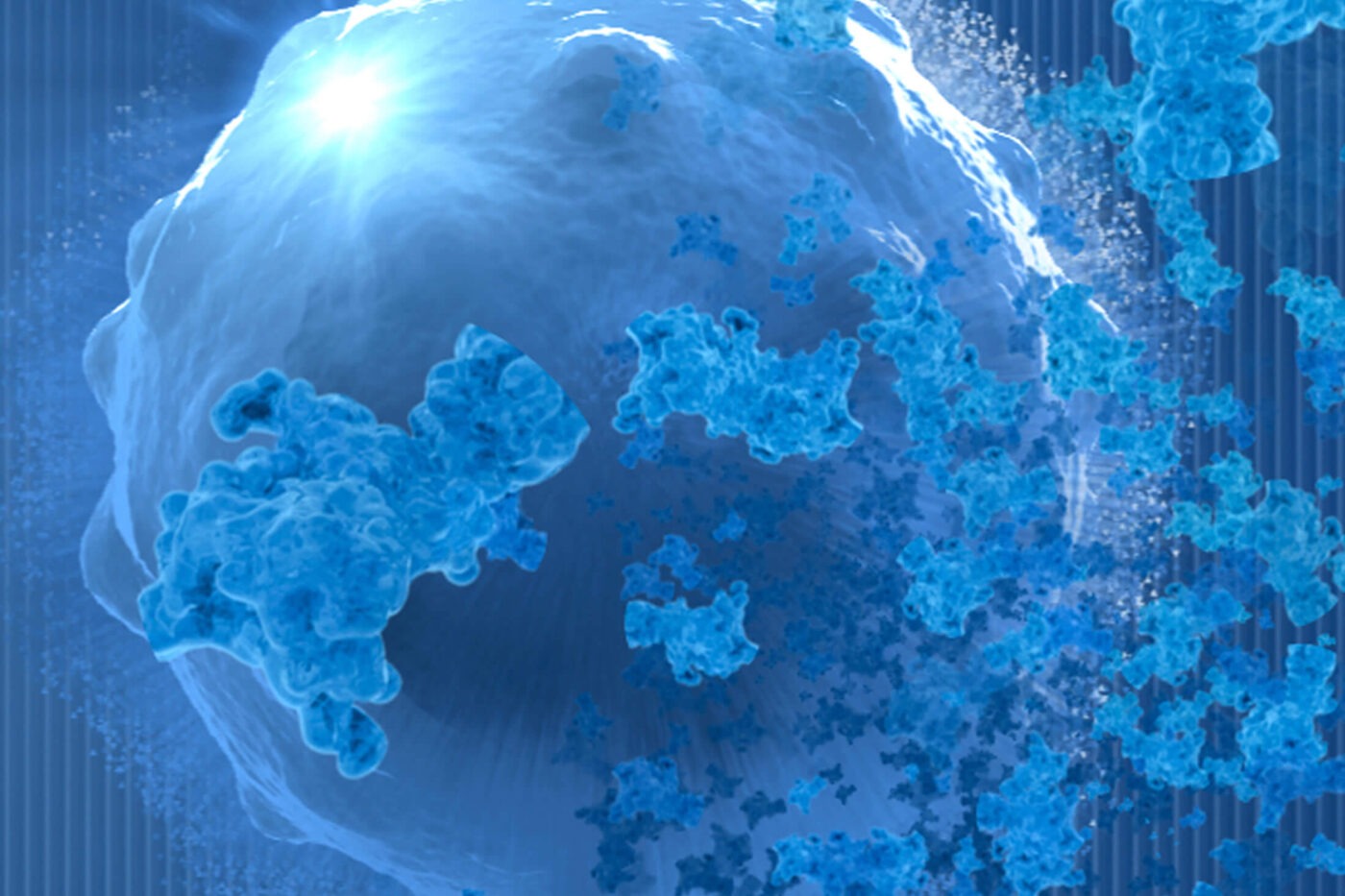
Just published in Nature Methods – Large-scale single-molecule analysis of tau proteoforms

Nautilus Biotechnology
September 4, 2026
We are incredibly proud to announce that our paper covering the large-scale single-molecule analysis of tau proteoforms by Iterative Mapping has been published in Nature Methods!
https://www.nature.com/articles/s41592-026-03188-6
This work demonstrates the technical power of single-molecule proteomic analysis on the Nautilus Voyager™ Platform. It further shows that single-molecule proteomic analysis reveals entirely new facets of biology. Specifically:
- Iterative Mapping enables accessible and scalable proteoform analysis that is not possible on any other platform. Proteoforms are the distinct molecular forms of proteins that exist in cells. Many can be derived from a single protein and may have vastly different functions depending on their combinations of isoforms, sequence variations, and post-translational modifications.
- Iterative Mapping precisely, sensitively, and accurately quantifies tau proteoforms over a wide dynamic range with high reproducibility (≤5.5% median CV). These exceptional quantitative characteristics make the data generated on the platform particularly trustworthy.
- Model systems commonly used in neurodegenerative disease research have distinct tau proteoform profiles. These profiles may help reveal which aspects of neurodegeneration each system is suited to model.
- In a small cohort, tau proteoform analysis differentiates samples originating from cognitively normal individuals and individuals with Alzheimer’s disease and related dementias. In the future, tau proteoform analyses like these may make it possible to diagnose different stages of neurodegenerative diseases. Some of these tau proteoforms may also make valuable drug targets.
- Preliminary evidence suggests ordered pathways underlie the creation of tau proteoforms (they are not created randomly). This implies researchers may be able to prevent the generation of pathological tau proteoforms by disrupting these pathways!
To help you get the most from the publication, we’re launching a new video series. In it, Nautilus Co-Founder Parag Mallick and the paper’s first authors will walk you through the paper’s key findings and their significance. In the first video (embedded above and linked here), Parag provides a summary of the paper and the background you’ll need to understand its findings:
Starting Tuesday, September 8th, the first authors will walk you through the rest of the paper in additional videos. If you want to access all the videos now, please fill out the form here:
We truly believe proteoform analysis will provide researchers with a new level of insight into biological function. If you’d like to use the Nautilus Tau Proteoforms Assay or our new AKT1 and EGFR Proteoforms Assays in your research, please reach out through the form found on the Iterative Mapping Early Access Program webpage.
MORE ARTICLES